

EPA
Disaster: Consequences of water spill in the vicinity of Brumadinje
There are about 60,000 concrete dams for various purposes around the world. These colossi are quiet neighbors, seemingly harmless, but dangerous as bombs, because after a possible shooting, the water mass would rush like an unstoppable torrent that destroys and kills everything it encounters.
A warning example is a dam near the town of Brumadinja in the southeastern region of Minas
Gerais in Brazil, which caused a catastrophe on January 25, 2019, after a concrete wall cracked and water and sludge spilled on the environment. There were hundreds of dead, and many victims of this apocalypse were never found because the mud covered everything like lava from a volcano.
There are 9,263 dams in the United States for various purposes – from hydropower plants that provide electricity, to those that were built to irrigate and prevent flooding. There are a large number of those with multiple purposes. The United States ranks second in the world in the number of these water barriers.
China has the most dams 23,841. Further order is: India (4,407), Japan (3,130), Brazil (1,365), South Korea 1,338, South Africa (1,266), Canada (1,156)… Germany is in 17th place with 371, and Serbia is in 49th place 60 dams.
When it comes to dam safety, engineers are most aware of the dangers they pose because they participate in all phases: from design, construction to later maintenance and checking the condition of a structure that has been under enormous stagnant water pressure for decades, with the possibility of surprises.
Those that were built between 1960 and 1980 are especially endangered today, because after half a century, concrete shows serious signs of aging and weakening. Admittedly, experts initially set a shelf life of between 50 and 100 years in their plans, but as these limits approach, they are becoming increasingly dangerous.
Scientists from the United Nations University in Canada analyzed the condition of the largest ones in one study. This includes all that are more than 15 meters, and the volume of affected water is over three million cubic meters. In the mentioned study, it is noted that in the previous 15 years, accidents on concrete structures have become more frequent.
According to the authors of the study, the breakdown of a dam is one of the “events with low probability but severe consequences”. Concise and deadly for someone who understood the message of the scientist. The safest defense against disaster is in the regular maintenance and replacement of dilapidated turbines, pumps and other key elements of the dam.
The profession warns that very little attention is paid to this fact and announces that by 2050, most people will live somewhere in the valley below those dams, the collapse of which would endanger the lives and survival of that population.
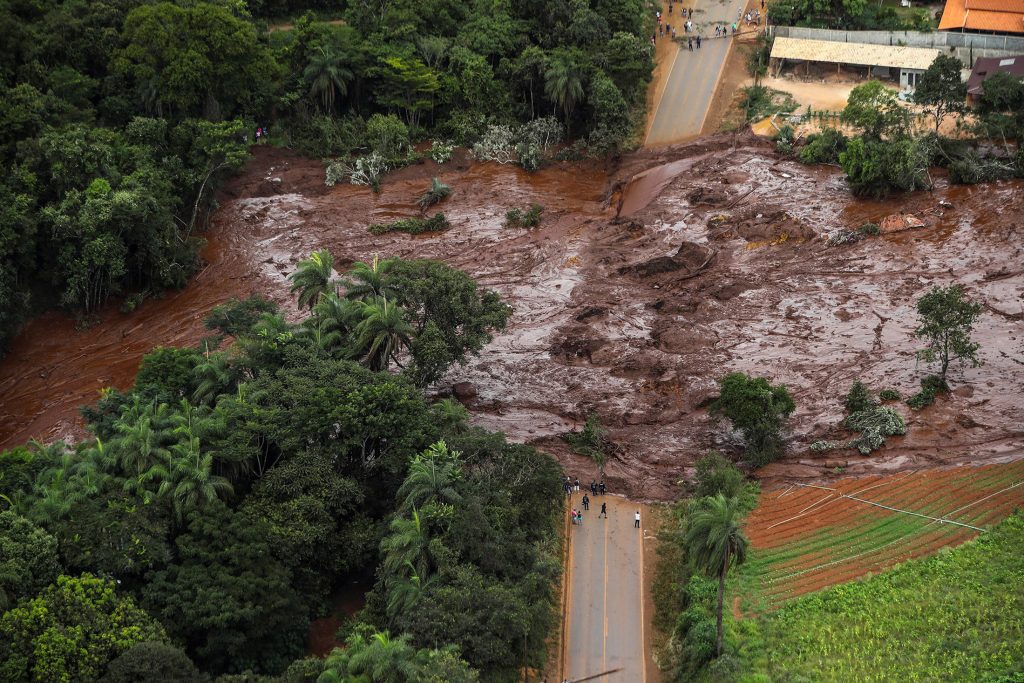 Warning example: Water and sludge in Brazil carried everything in front of them
“Veterans” in Japan and Britain
Climate change also affects faster deterioration, more and more frequent storms with a lot of precipitation bring high water levels, a lot of mud and waste that reaches the dam, but they also create landslides on the surrounding land, which affects stability.
Risky aging and carelessness about maintenance are two alarms, and Asia and North America are especially endangered, where there are a total of about 16,000 large dams between 50 and 100 years old. As many as 2,300 are older than a century, and most veterans are in Japan and the United Kingdom.
Displacement of fish
The second largest dam in Germany, Rurtalshpere, retains 200 million cubic meters of water, but it is a dwarf compared to the Chinese giant Three Gorges on the Yangtze River. But the maintenance of the German dam still takes a long time, because the repair of the concrete structure requires emptying the lake, but also moving the fish.
No removal
It is still seldom thought of a complete, professional demolition of a dam. It is too complicated and would take years.
Panic in California
The Great Orleville Dam in Northern California was in danger of bursting due to a huge influx of water, so the local sheriff from Bath County ordered the evacuation of about 200,000 residents who then jumped into their vehicles in panic and blocked all escape routes. part of the excess water was released and that calmed the situation.

Comments are closed.