

R. Lukić
There is salvation in nobility: Organ transplantation is often the only solution for seriously ill patients
For Serbs in the diaspora, organ donation is the highest level of humanity, which, they point out, as a nation, we have proven many times so far. Some of them have already become donor card holders.
– Our Serbian people are known for their humanity, which begins with helping people from their environment in life. These can be actions of collecting money, helping children and the elderly, voluntary blood donation… For me, the decision to donate organs is the highest form of humanity. My family talks about it and we are unanimously determined that we want our organs to save someone’s life at all times. The thought that my heart, even when I’m not there, can prolong someone’s life, is at the same time a continuation of life for me. I say YES for organ donation – says Snezana Nef from Bubikon for “Vesti”.
She also mentions that everyone should decide on that independently, not forgetting what it means to be humane.
– With the decision that I want to be a donor, I live with the faith that maybe someone will help me if I need help – said Snezana.
 Marija Bosnjakovic
Her fellow citizen Monika Rajlić from St. Gallen thinks similarly.
– My personal opinion is that it is a great thing. Death takes on a different meaning when you know you are going to save someone’s life… Maybe some young life.
Katarina Bošnjaković from Zurich also says that we should all think about it.
– By having a donor card, after your life you save someone else. I personally have a donor card and I would donate an organ, say a kidney, for life, in order to save someone’s life. I had a case in the family when my father had kidney problems, but unfortunately all the guidelines did not match and I could not help him, but I would definitely do it for someone from the family who should – says Katarina Bošnjaković from Zurich.
Commenting on the situation in Serbia with donors, Simo Nenadic, a retired teacher at the Yugoslav Supplementary School and a translator from Göttingen in Germany, points out that, according to what he sees from the media, the country is working very seriously on providing organs for transplantation.
– I tend to understand everyone’s thoughts and reasons, but in the end I find that organ donation is, above all, a humane and moral act, without which many more people would die unnecessarily – says Nenadic and refers to statistics:
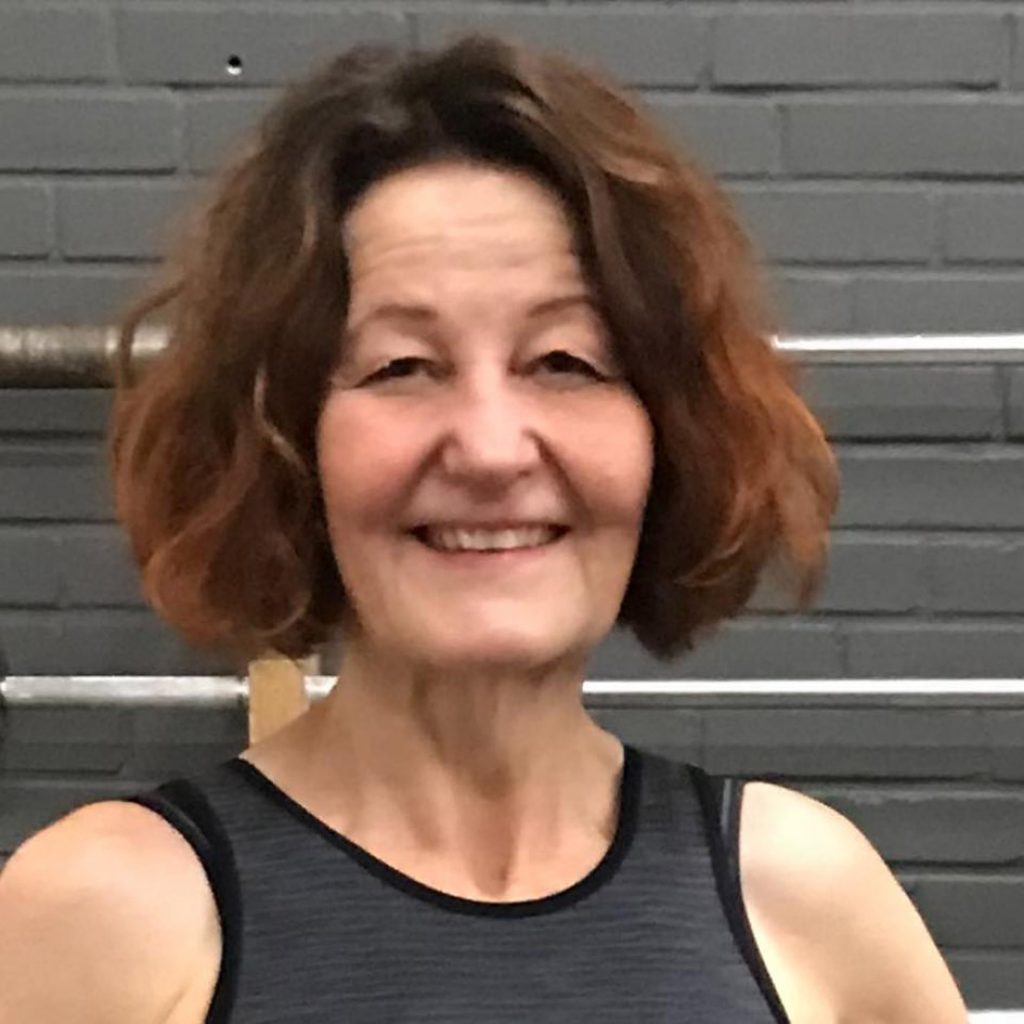 Natasa Vukovic
– If we believe the statistics, and take into account that out of 100 liver transplants, 70 people still live after one year, and 90 with kidney transplants, then we see how many lives we have saved and families made happy. You should trust doctors, because none of them will risk the life of a healthy person, to try to save a sick person. Imagine how many people, especially young people, suffer in traffic accidents, and take with them to the grave and healthy organs with which many lives could be saved. Propaganda should be intensified among young people. In schools for drivers, lectures on that topic should be held, and at the end, after the exam, they should be offered a certificate of readiness to donate an organ – Nenadić thinks.
Uros Milenovic from Frankfurt admits that so far he has not thought much about being an organ donor while he is alive.
– I mean the kidney and the like, but if I were in a situation where someone close to me needed it, I believe I would do it. I would certainly bequeath organs after death, to be given to those who need them. By that I mean the heart, the kidneys, the lungs, and the liver. It is not just a gesture of humanity, but it is about the lives of others and everyone, or at least those who can, should do it. There are so many children who need an organ to live on. For now, I am not officially an organ donor, because I did not know that I could apply as a donor. So far I have not had a donor in my area and I will probably be the first. Probably, on some occasion, when I go to Serbia, I will apply as a donor – pointed out Uros Milenović from Frankfurt in Germany.
Love of neighbor
Retired Mile Grubešić, a resident of Paris, admits that he was surprised by the question, but also immediately answers:
– It’s a humane gesture. I am always, when possible, in favor of organ donation, because that means improving the quality or prolonging someone’s life. It could be said that it is a sequel in which two people merge into one. True, I personally don’t know anyone who donated an organ to someone, but I also think that the charity of organ bequest “doesn’t ring all the bells”.
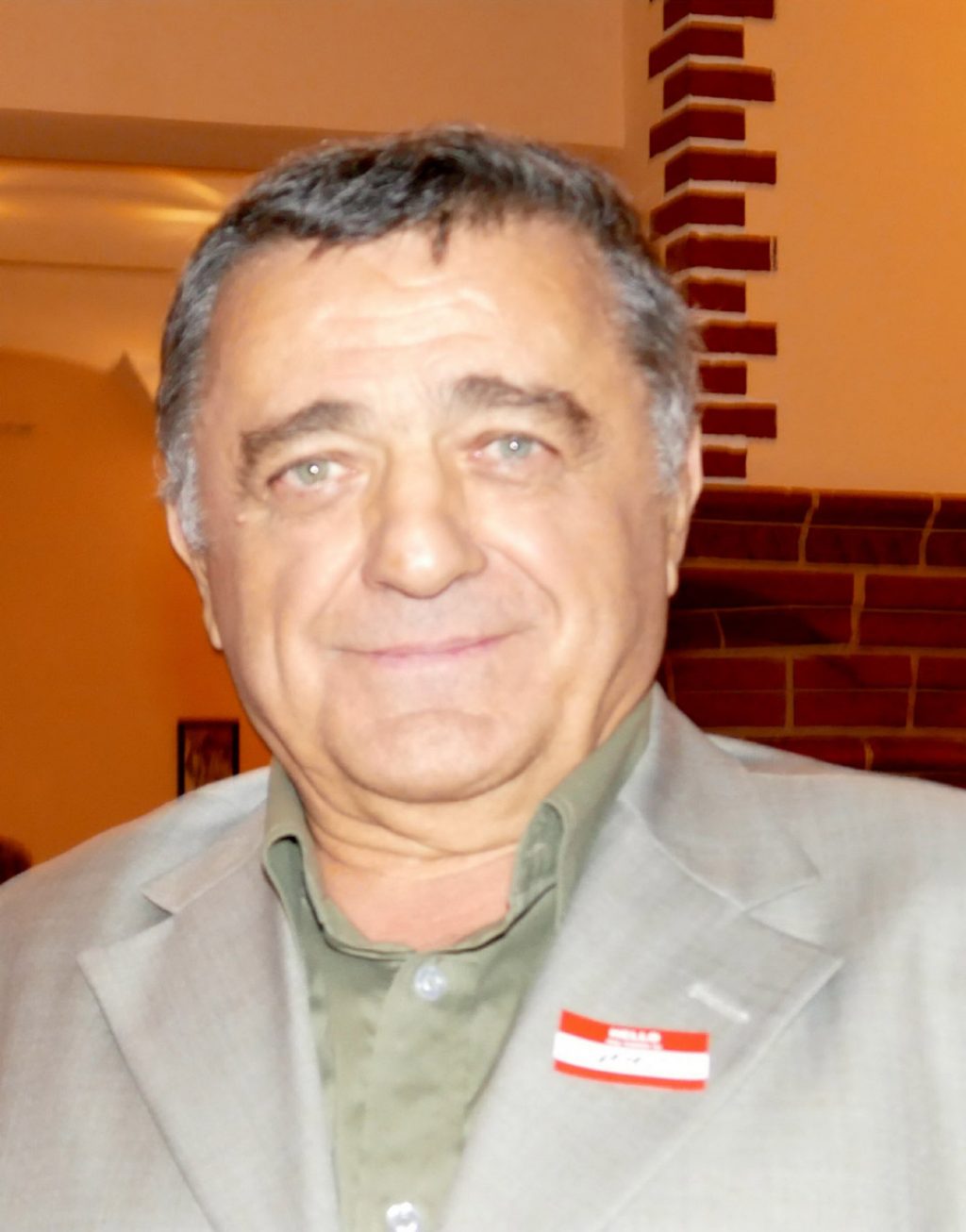 Simo Nenadic
The pandemic messed up
The pandemic has also broken the strings in Austria when it comes to organ transplants. In this country, 672 organ transplants were performed in 2020, seven percent less than the year before, when there were 720, according to the report “Gesundheit Austria”. A small number of these interventions were caused by the Kovid 19 pandemic, and it primarily affected kidney and heart transplants.
– Kidney and pancreas transplants have been temporarily suspended since March 12, and decisions have been made with other organs based on a special analysis of each case – the report says.
During the second wave, in the fall, the adjustment process was carried out, but the number of donors and transplants dropped to a low level. However, despite that, Austria is among the best in terms of the number of donors and transplants. Last year, 4,088 organ donors were enrolled on the list, which has existed since 1995 and has a total of 53,483 donors.
– I think that we should be humane and think about what will happen after death, and that is that we can help others survive with our organs. That’s why I signed up for the donor list a long time ago. When I die, I would like to help others, because then I will no longer need those organs. It would be stupid to be able to save someone’s life without it being impossible, because I am not a donor. Maybe the law should be changed so that everyone is an automatic donor. I don’t understand the fear of that. Only egoists could be against such a law – points out Marija Bošnjaković from Vienna.
Her fellow citizen Natasa Vukovic told “Vesti” that she had not yet dealt with that topic.
– I did not think about what could and should happen to my organs after death. I have no position on that yet. I don’t even have people in my environment who needed an organ, so I didn’t face that problem – she will honestly say.
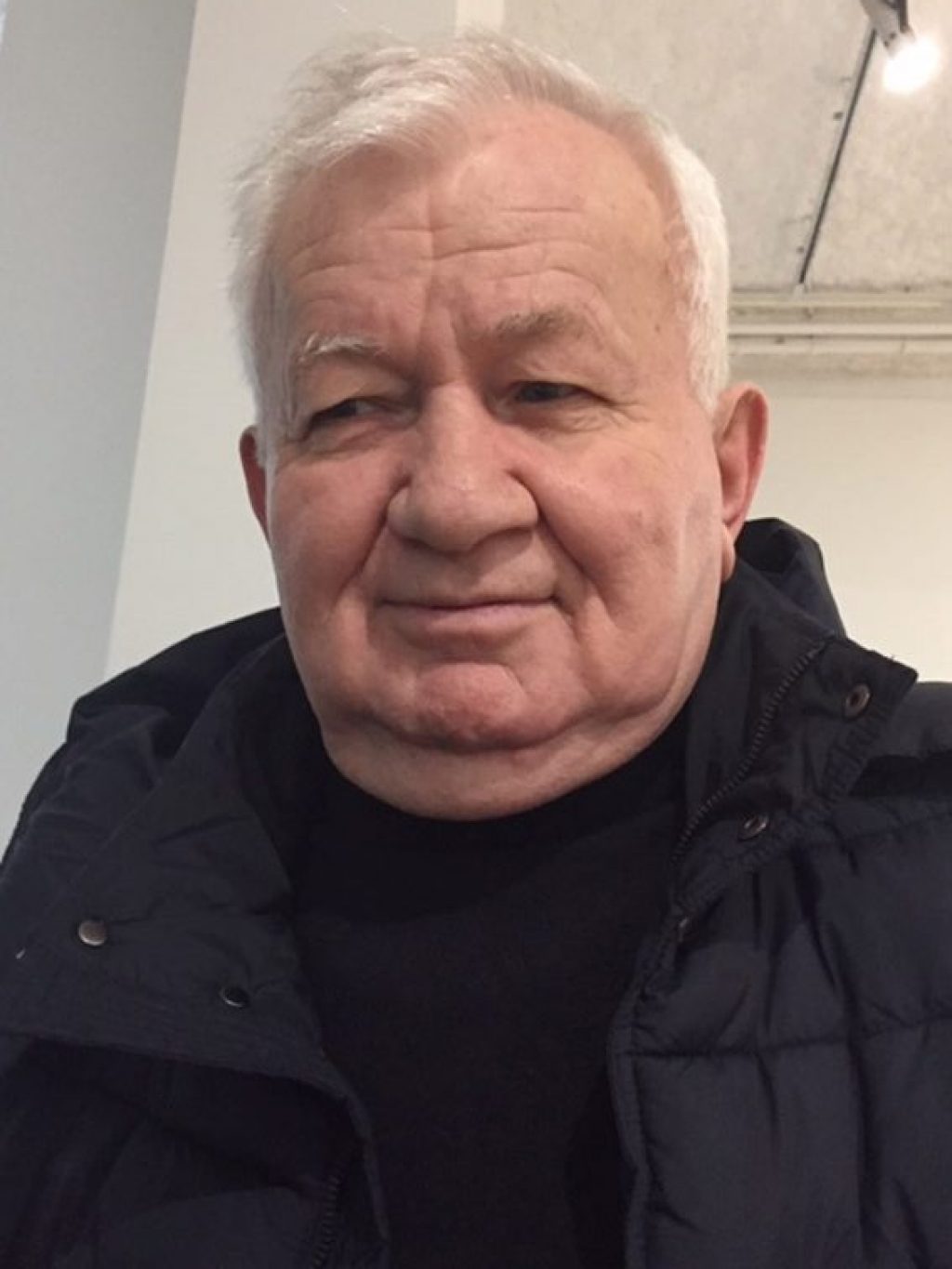 Mile Grubešić
History
The history of organ and tissue transplantation dates back to the distant past. Modern transplantation began at the end of the 18th century, and its history in Serbia dates back to the beginning of the 20th century, more precisely until 1926. The first kidney transplant in Yugoslavia was performed in 1970 in Ljubljana, and three years later in Belgrade. In Switzerland, the first kidney transplant was performed in 1963, and the heart in 1969.

Comments are closed.